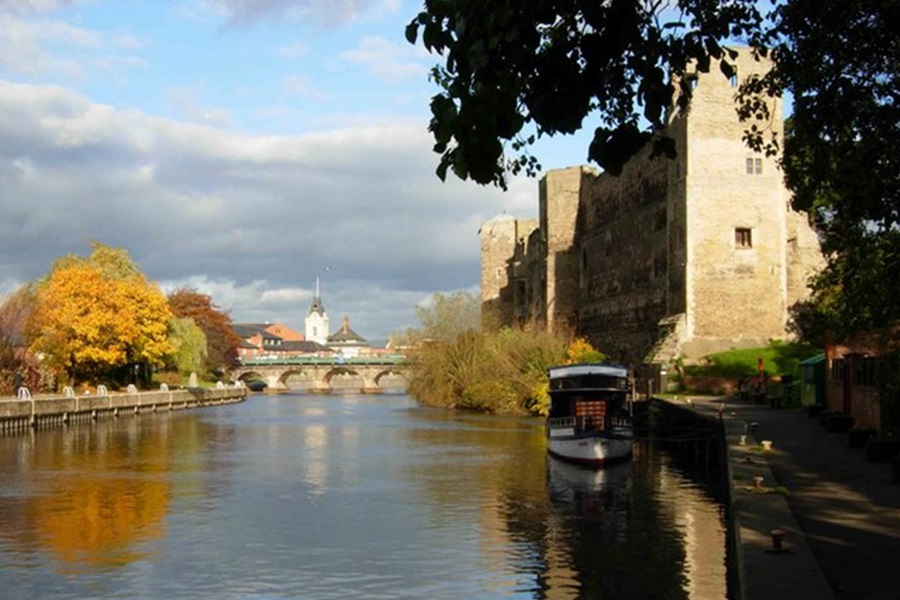
River Lune
53 miles (85 km)
About River Lune
The River Lune flows through Lancashire, passing Lancaster and featuring the spectacular Lune Gorge.
River Lune Photo Gallery


River Lune Fact File
- Length
- 53 miles 85 km
- Source
- Newbiggin-on-Lune, Cumbria
- Mouth
- Morecambe Bay
- Region
- England
- Fishing Season
- Salmon: February-October; Trout: March-September
- Gold Deposits
- No
Related Rivers

River Geography & Education
Physical Geography
River Course: The River Lune follows a classic river profile from source to mouth, creating diverse habitats along its 53 mile journey.
Landscape Features: The river creates distinctive features including meanders, floodplains, and its confluence with larger waterways.
Geology: The river has carved through England landscape over thousands of years, shaped by the underlying bedrock and glacial activity.
Human Geography
Settlements: Major towns and cities developed along the River Lune due to access to water, transportation, and trade opportunities.
Historical Industry: The river powered mills, supported fishing communities, and served as a vital transport route for goods and people.
Modern Use: Today the river supports recreation, tourism, sport fishing, and remains important for local ecosystems.
Environmental Status
Water Quality: Regular monitoring ensures the river maintains good ecological status under UK water quality standards.
Conservation: Protected habitats along the river support 6 species of wildlife including rare and endangered species.
Climate Adaptation: River management includes flood prevention, habitat restoration, and preparing for changing rainfall patterns.
Flood Management
Flood Risk: Like all UK rivers, the River Lune experiences seasonal variations in flow and occasional flooding during heavy rainfall.
Defenses: Flood management schemes protect communities through embankments, flood storage areas, and early warning systems.
Natural Solutions: Riverside tree planting and wetland restoration help manage water flow naturally while supporting biodiversity.
FAQs
How long is the River Lune?
The River Lune is 53 miles (85 km) long, making it a significant rivers in the UK.
Where does the River Lune start and end?
The River Lune rises at Newbiggin-on-Lune, Cumbria and flows to Morecambe Bay. English rivers have played crucial roles in history and industry.
What wildlife can I see along the River Lune?
The River Lune supports diverse wildlife including Salmon, Sea Trout, Otters, and more. Bring binoculars for the best wildlife watching experience.
What activities are available on the River Lune?
Popular activities on the River Lune include Fishing, Kayaking, Walking, Cycling, and more. Always check local regulations and safety guidelines.
Is it safe to swim in the River Lune?
Some good swimming spots in upper and middle reaches. Check tidal times near mouth.. Always check current water quality, avoid swimming after heavy rain, never swim alone, and be aware of currents and underwater hazards.
What makes the River Lune special?
The River Lune is special for its natural beauty, wildlife, and recreational opportunities. Each UK river has unique characteristics shaped by its geology and history.