How to Perform a River Water Quality Check UK
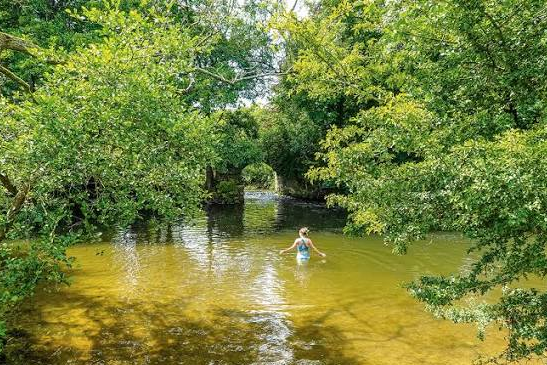
If you are standing on the bank asking yourself, "is it safe to swim in the river today?", you are already taking the most important step in wild swimming: risk assessment. River conditions change rapidly due to heavy rainfall, agricultural runoff, and shifting currents.
Before you get in, use our live data tool below to verify the current conditions.
Understanding the bacterial and chemical safety of a river is vital. A river water quality check uk relies on monitoring sewage discharge alerts and agricultural runoff. In our experience integrating environmental API data, water quality drops significantly within 48 hours of heavy rain.
Look out for these visual warning signs:
- Blue-green algae: Looks like pea soup or green paint on the surface; highly toxic to humans and dogs.
- Milky or murky water: Often a sign of recent agricultural or sewage discharge.
- Excessive foam: While some foam is natural, large, foul-smelling accumulations indicate chemical pollution.
The Dangers of Wild Swimming Rivers
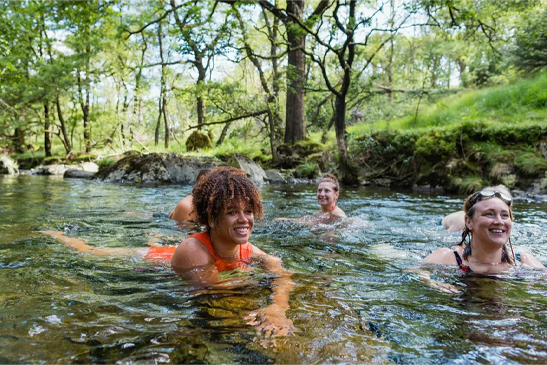
Beyond water quality, the physical dangers of wild swimming rivers must be respected. Moving water possesses immense force, and surface calmness can hide treacherous undercurrents.
- Strainers: Fallen trees or branches trap debris and swimmers while letting water flow through. Avoid them at all costs.
- Weirs: These man-made structures create a recirculating current at the base, known as a "washing machine," which can trap even the strongest swimmers.
- Cold Water Shock: Sudden immersion in water below 15°C can cause involuntary gasping and hyperventilation. [Source: National Water Safety Forum]


Essential Wild Swimming Safety Tips
To mitigate these risks, always adhere to strict wild swimming safety tips. Never swim alone in an unfamiliar stretch of river. Always identify a clear, accessible exit point before you enter the water—muddy banks can be incredibly difficult to climb when you are cold and fatigued.
Key Takeaways
- Check live water quality data before traveling.
- Avoid swimming for 48 hours after heavy rainfall.
- Never swim near weirs or fallen trees.
Author: Andrew, UK Rivers Directory Founder
Bio: Andrew engineers automated environmental data tools and builds directories to help outdoor enthusiasts safely navigate the UK's natural landscapes.
Last Updated: July 27, 2026