
What Are Chalk Rivers?
Chalk rivers represent one of the rarest and most precious freshwater habitats on Earth, and the UK is extraordinarily fortunate to be home to approximately 85% of the world's remaining chalk streams. These unique rivers in the UK form when rainwater percolates through permeable chalk bedrock, emerging as crystal-clear springs that flow through the landscape creating waterways of exceptional purity. Unlike typical rivers that run brown or green with sediment and algae, chalk streams maintain remarkable clarity year-round, allowing sunlight to penetrate deep into the water column and supporting lush underwater vegetation gardens that resemble aquatic meadows.
The formation of chalk rivers occurs primarily in southeastern England where thick deposits of chalk geology dominate the landscape. As rainfall slowly filters through the porous chalk, it becomes naturally purified and enriched with calcium carbonate and other minerals. This geological filtration process creates water of exceptional quality with stable temperatures that fluctuate minimally between seasons. The consistent spring-fed flow means chalk streams maintain relatively constant water levels and temperatures, creating ideal conditions for specialized aquatic life that cannot survive in more variable river environments found elsewhere in rivers of the UK.
Why Chalk Rivers Are So Special
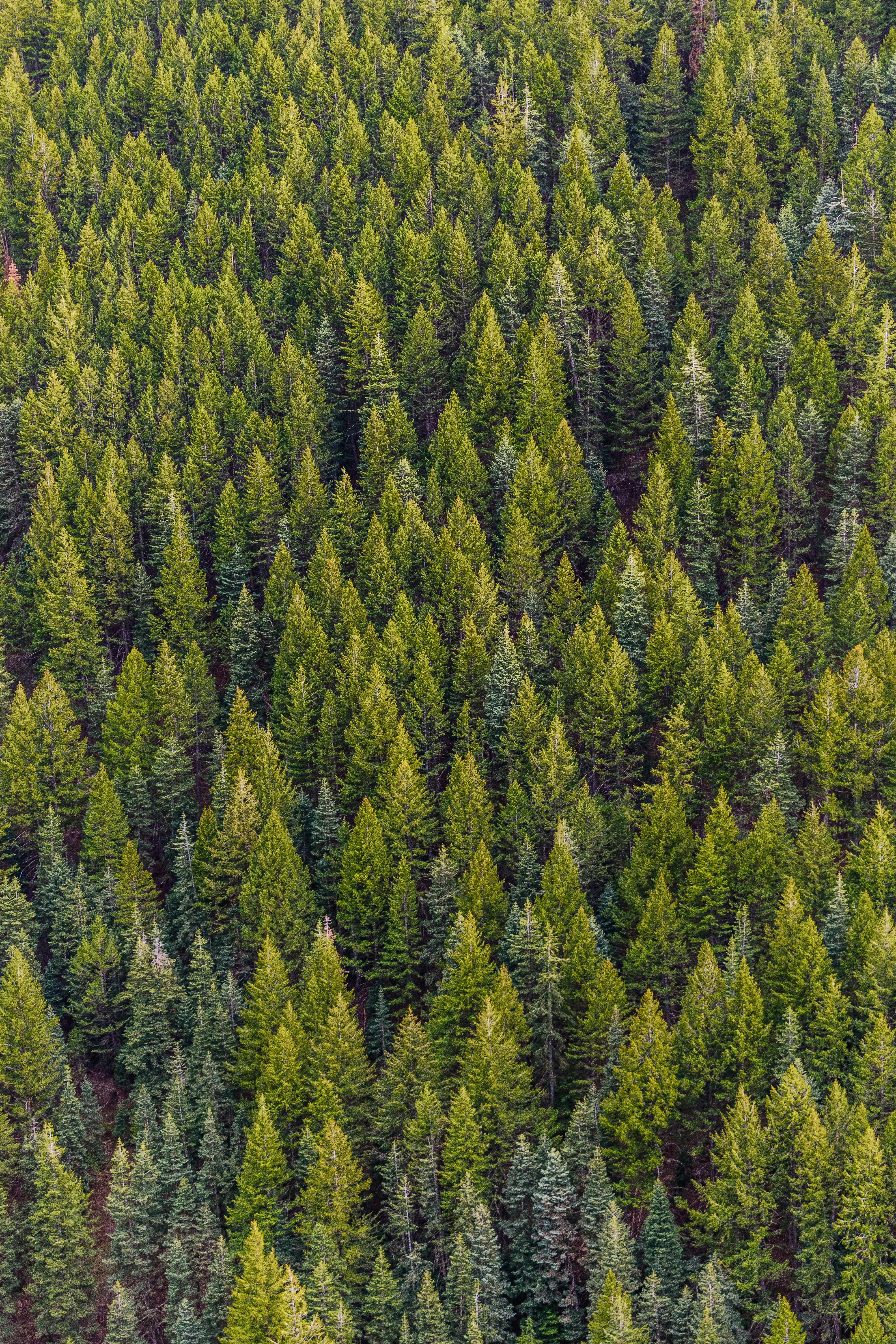
The exceptional characteristics of chalk rivers make them globally significant ecosystems among major rivers in the UK. The crystal-clear water allows extraordinary visibility, often permitting observers to see the riverbed at depths of several meters. This clarity enables lush growth of aquatic plants including water crowfoot, starwort, and watercress, which form dense underwater meadows providing crucial habitat for invertebrates and fish. These plant communities oxygenate the water and provide shelter for diverse wildlife, creating ecosystems of remarkable biodiversity found nowhere else on Earth.
Temperature stability is another defining feature of these rivers in the UK. While typical rivers experience dramatic temperature swings between seasons, chalk rivers maintain relatively constant temperatures of 10-12°C (50-54°F) throughout the year. This thermal stability allows specialized species to thrive, including the native brown trout which depend on cool, well-oxygenated water. The stable conditions support year-round biological activity, making chalk streams among the most productive freshwater ecosystems per unit area anywhere on the planet. The longest rivers in the UK cannot match the biodiversity density found in these relatively small chalk waterways.
Key Characteristics
- Crystal clarity - Exceptional water transparency allowing deep light penetration
- Stable flow - Spring-fed sources maintain consistent water levels
- Cool temperatures - Year-round temperatures of 10-12°C ideal for salmonids
- High alkalinity - Calcium-rich water from chalk dissolution
- Diverse flora - Lush aquatic plant communities including rare species
- Rich invertebrate life - Supporting abundant populations of mayflies, caddis flies, and freshwater shrimp
Major Chalk Rivers in England
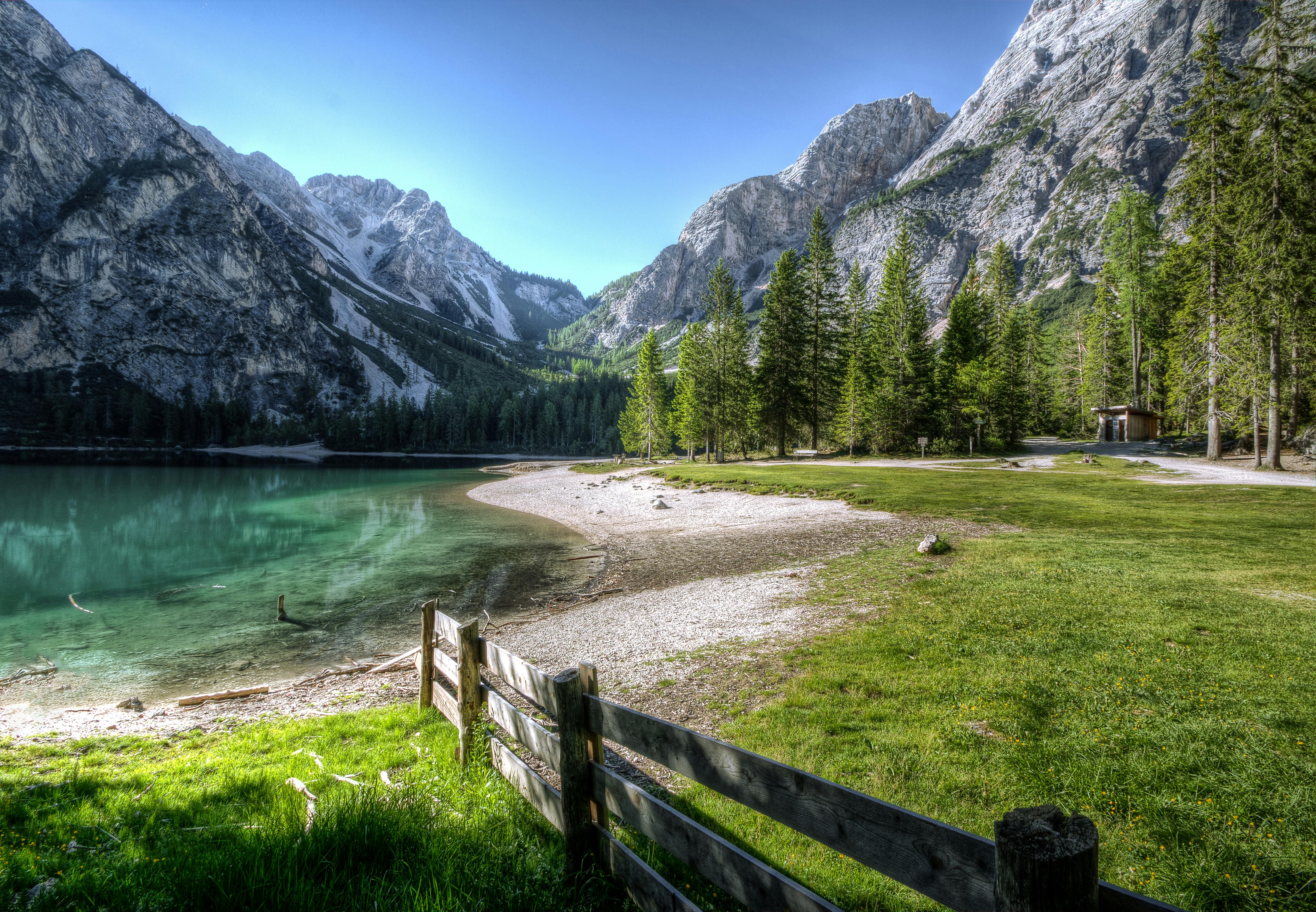
The map of rivers in UK showing chalk streams reveals a concentration in southern and eastern England where chalk geology predominates. The River Itchen in Hampshire is perhaps the most famous chalk river, flowing through Winchester and into Southampton Water. This internationally important river supports exceptional populations of wild brown trout, Atlantic salmon, and the rare southern damselfly. The Itchen's 28-mile length makes it one of the longest rivers in the UK classified as a chalk stream, and its designation as a Special Area of Conservation reflects its ecological significance.
The River Test, also in Hampshire, ranks among the world's most celebrated trout fisheries and one of the finest examples of rivers in the UK classified as chalk streams. Its gin-clear waters have attracted anglers for centuries, and the river played a crucial role in developing modern fly fishing techniques. The River Frome in Dorset, The River Kennet in Berkshire, and The River Lambourn all represent significant chalk rivers, each with unique characteristics but sharing the exceptional water quality and biodiversity that defines this rare habitat type among major rivers in the UK.
Notable Chalk Rivers
- River Itchen - 28 miles, Hampshire, Special Area of Conservation
- River Test - 40 miles, Hampshire, world-famous trout fishery
- River Frome - 30 miles, Dorset, excellent water quality
- River Kennet - 45 miles, Berkshire/Wiltshire, Thames tributary
- River Chess - 11 miles, Buckinghamshire/Hertfordshire, habitat restoration success
- River Mimram - 12 miles, Hertfordshire, important biodiversity
Wildlife & Ecology of Chalk Rivers
The wildlife supported by chalk rivers represents some of the most important biodiversity in rivers of the UK. Brown trout are the iconic species of chalk streams, with these rivers providing optimal conditions for wild trout populations. The stable temperatures, high oxygen levels, and abundant invertebrate food sources allow trout to grow larger and healthier than in typical rivers. Some chalk rivers also support Atlantic salmon, though many populations have declined due to migration barriers and habitat degradation affecting connectivity with the sea.
The aquatic plant communities in chalk rivers create three-dimensional habitat structures supporting remarkable invertebrate diversity. Freshwater shrimp, mayflies, and caddis flies thrive in extraordinary numbers, forming the base of the food web that sustains fish, birds, and mammals. Water voles, Britain's fastest declining mammal, depend heavily on chalk river habitats with their stable banks and lush vegetation. Otters have successfully recolonized many chalk streams after decades of absence, and kingfishers flash blue and orange along the banks, hunting in the clear waters among the major rivers in the UK.
Key Species
- Wild brown trout - Iconic fish of chalk streams, thriving in cool, clear water
- Water voles - Britain's most endangered mammal, dependent on chalk river habitats
- White-clawed crayfish - Native species now rare, found in some chalk rivers
- Brook lamprey - Primitive fish species indicating excellent water quality
- Southern damselfly - Rare dragonfly species restricted to southern chalk rivers
- Ranunculus (water crowfoot) - Characteristic flowering plant creating underwater meadows
Threats & Conservation Efforts

Despite their protected status, chalk rivers face multiple serious threats that endanger their survival among rivers in the UK. Water abstraction represents the most significant threat, with chalk aquifers heavily exploited for public water supply. Excessive abstraction reduces spring flows, sometimes causing upper reaches to dry completely during summer. This impacts the entire ecosystem, as reduced flows concentrate pollutants, increase temperatures, and eliminate habitat for fish and invertebrates. Some famous chalk streams now flow only during winter months, having essentially become seasonal waterways where they were once perennial rivers of the UK.
Agricultural pollution from nitrates and phosphates degrades water quality in major rivers in the UK, with chalk streams particularly vulnerable due to their small catchment sizes. Fertilizer runoff stimulates excessive algal growth that blocks sunlight, reducing aquatic plant diversity and oxygen levels. Sewage discharge, both treated and during storm overflow events, adds harmful bacteria, chemicals, and nutrients. Physical modifications including channel straightening, weir construction, and bank reinforcement have severely damaged many chalk rivers, removing natural features essential for wildlife. The longest rivers in the UK classified as chalk streams require comprehensive restoration programs to reverse centuries of degradation.
Conservation Actions
- Flow restoration - Reducing abstraction to increase river flows
- Habitat restoration - Reinstating natural river features and vegetation
- Pollution reduction - Improving sewage treatment and agricultural practices
- Barrier removal - Opening migration routes for fish
- Monitoring programs - Tracking water quality and wildlife populations
- Community engagement - Involving local people in conservation
Visiting and Enjoying Chalk Rivers Responsibly
Experiencing chalk rivers offers unique opportunities to witness some of Britain's most beautiful and rare aquatic ecosystems among rivers in the UK. Many chalk streams have public footpaths running alongside them, providing excellent access for observation and photography without disturbing sensitive habitats. The River Test Way and Itchen Way are long-distance walking trails following these famous chalk rivers through stunning Hampshire countryside. Spring and early summer offer the best viewing, when aquatic plants are flowering and wildlife activity peaks.
When visiting chalk rivers, practice responsible access to protect these fragile ecosystems. Stay on marked paths to avoid trampling riverbanks which can cause erosion and damage to water vole burrows. Never enter the water without permission, as most chalk rivers flow through private land and support sensitive wildlife populations. Take all litter home, and avoid disturbing wildlife especially during breeding seasons. By visiting respectfully, you support conservation efforts and help ensure these globally rare rivers of the UK remain healthy for future generations to appreciate and study as part of our natural heritage.